South Africa has a complicated alcohol culture which becomes very noticeable during holidays and the festive season. Alcohol interferes with medications used to manage various health conditions including diabetes and carries various health risks.
The National Department of Health does not support the use of alcohol, while some studies suggest that moderate alcohol use may be good for the heart .
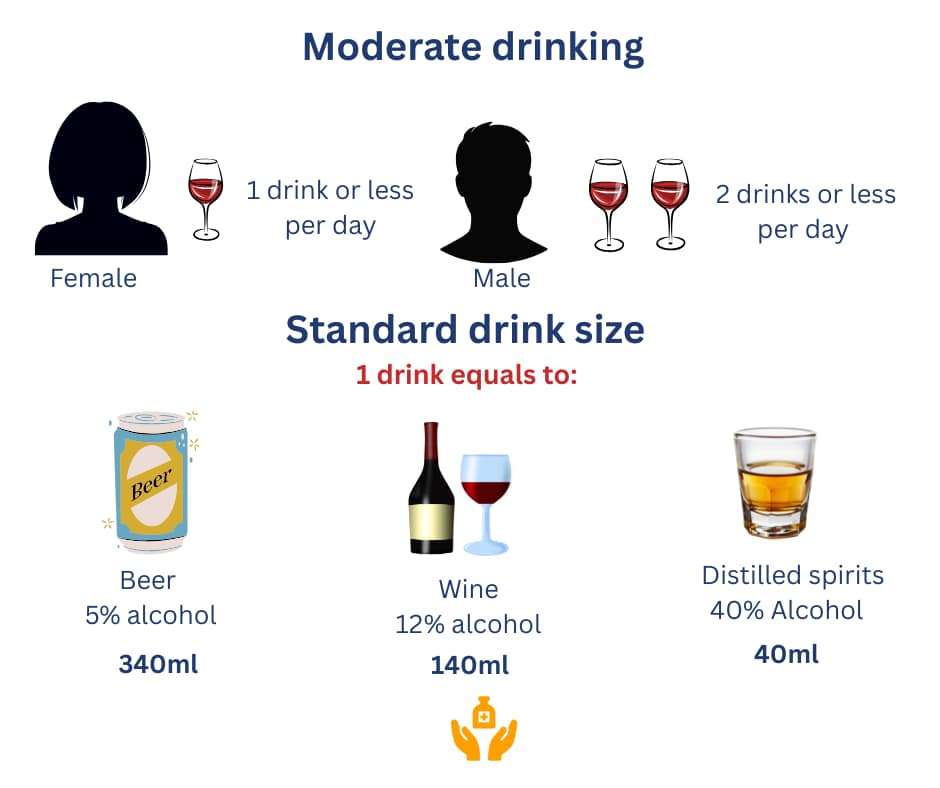
Excessive alcohol use does not only cause health problems but harms families and communities.
Alcohol and Medication Interactions
Alcohol interferes with liver enzymes responsible for breaking down medications . This interaction leads to either an increase or a decrease in the amount of medication that reaches the bloodstream and becomes available for the body to use.
An increase in the amount of medication reaching the bloodstream, increases risk of side effects and toxicity .While a decrease in the amount of medication reaching the bloodstream , lowers the effectiveness of the medication.
Additionally, alcohol worsens side effects like dizziness and drowsiness .
Alcohol and hypoglycaemia
Alcohol reduces the body’s ability to control blood glucose levels, leading to hypoglycaemia or low blood sugar , and can be fatal for those with hypoglycaemia unawareness.
The liver functions as the body’s main processing plant and is responsible for removing waste and toxins from the body ,while also playing an important role in blood glucose control.
When blood glucose levels are high, the liver removes and stores excess glucose from blood, and when levels drop the liver produces and releases glucose back into the bloodstream, bringing blood glucose levels back to normal.
The liver recognizes alcohol as a toxin. So, when alcohol is consumed the liver prioritizes getting rid of the alcohol and may not release enough glucose back to the bloodstream, causing blood glucose levels to drop.
That is why it is important for those living with diabetes to check blood glucose levels before consuming alcohol and to avoid drinking on an empty stomach.
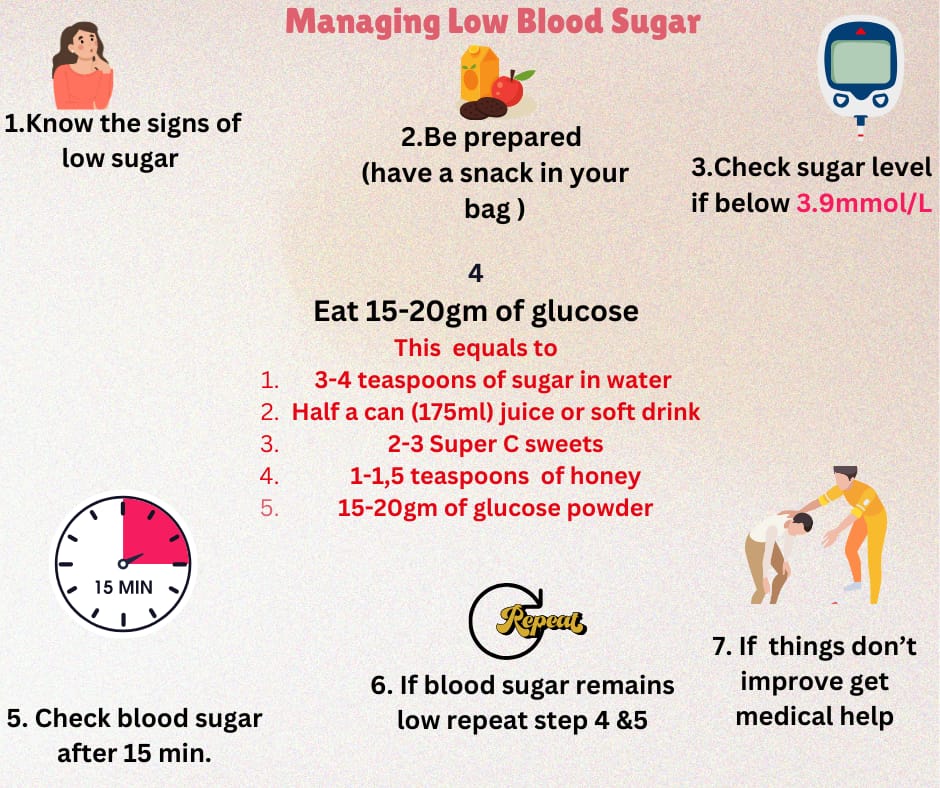
When signs and symptoms of intoxication occur, always check blood sugar levels to rule out hypoglycaemia as both conditions present with similar symptoms which include dizziness, shaking , slurred speech and confusion .
If blood glucose levels are low ( below 3.9mmol/L) follow the 15-15 rule to manage and correct low blood sugar .
Effects of alcohol on the body.
Excessive alcohol use has been shown to cause damage to various organs and systems in the body, among them the brain, pancreas and the liver.
In the brain alcohol interferes with the brain’s communication system resulting in mood and behavioural changes. These changes can impair decision-making and one’s ability to handle everyday tasks. This can negatively impact treatment adherence and overall heath behaviours.
Severe alcohol use increases risk for strokes and can harm nerves outside the brain and spinal cord. This type of nerve damage called peripheral neuropathy is also a common complication of poorly controlled diabetes. The condition presents with burning pain, numbness, and tingling of feet and hands.
Damage caused by alcohol to organs in the body disrupts the working of various systems in the body. Research indicates that long- term heavy alcohol use weakens heart muscles as well as the immune system, slowing down the body’s ability to heal itself from injury and fight off diseases.
Long term alcohol use may cause swelling of the pancreas a condition called pancreatitis. Those diagnosed with type 2 diabetes are at a higher risk of developing the condition , when compared to those without diabetes. Alcohol consumption increases risk of pancreatitis even more.
The pancreas is one of the key organs in blood glucose control. It produces insulin and glucagon , two of the most important hormones in blood glucose management. These hormones respond to changes in blood sugar levels.
When blood glucose levels are high, insulin signals organs like the liver to take up and store excess glucose. When glucose levels drop , glucagon activates the liver to produce and release glucose back into the bloodstream.
Heavy alcohol use can cause damage to the liver leading to swelling of the liver (alcoholic hepatitis) ,fatty liver (steatosis) caused by build-up of fat in the liver , scaring and hardening of the liver(cirrhosis). This damage increases risk of developing hepatocellular carcinoma , a type of liver cancer.

Alcohol consumption has also been shown to increase risk of developing various other types of cancer.