Food is an important part of life . It does not only provide nourishment for the body, but it represents culture, community, and identity. The foods we love are often connected to meaningful memories of people and places, making dietary changes especially challenging for individuals diagnosed with chronic health conditions like type 2 diabetes.
This however should not be the case, as dietary guidelines for people living with type 2 diabetes remain the same as those of the general population. Those diagnosed with Type 2 Diabetes need to follow these guidelines more strictly.
Nathan Myhrvold’s once said, “ Cooking in an art, but all art requires knowing something about the technique and materials.”
Simply put, having knowledge about the different macronutrients found in food and choosing healthier ingredients ,sprinkled with a pinch of creativity, those living with type 2 diabetes can still enjoy the foods they love.
Nutrients in Food
There are 3 main nutrients found in food: Carbohydrates, proteins and fats.
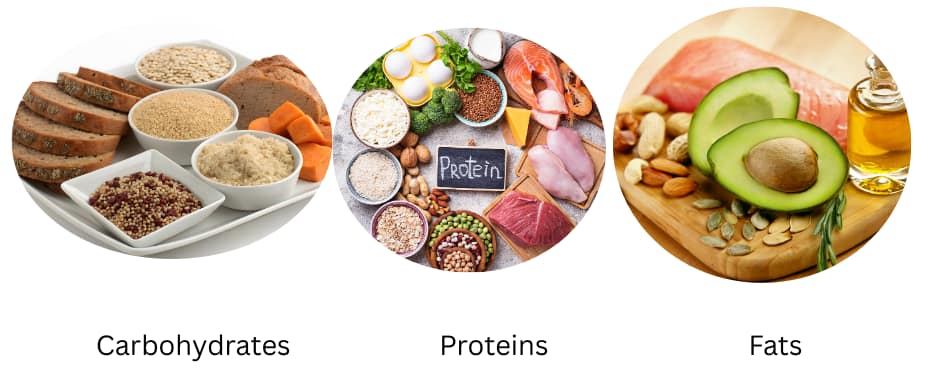
Carbohydrates
Carbohydrates have the biggest impact on blood glucose control. In recent years, there has been a lot of discussion about low-carbohydrate diets versus high-carbohydrate diets. There is however no evidence that support recommending one approach over the other for individuals with Type 2 Diabetes.
The World Health Organization (WHO) recommends that people living with Type 2 Diabetes should pay more attention to the quality of their carbohydrates , instead of solely focusing on the amount of carbohydrates they eat each day.
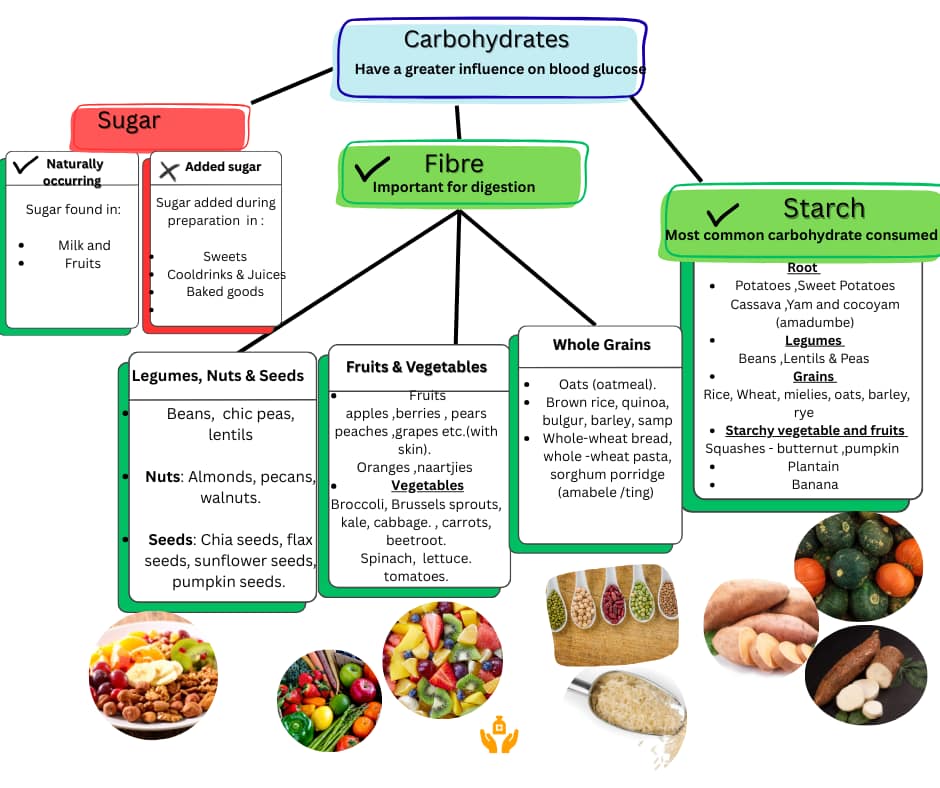
Carbohydrates can be divided into 3 different types : Starch ,fibre and sugar.
Starch is the most common type of carbohydrate consumed. It is mostly found in staple foods like rice, potatoes and mealie meal.
Fibre comes from plants .This type of carbohydrate is not digested or absorbed by the stomach and plays an important role in digestion. A diet high in fibre has been shown to support weight loss, lowers cholesterol and blood pressure while also improving blood glucose control.
Sugars are divided into 2 groups : naturally occurring sugars and added sugars . Naturally occurring sugars are found in fruits (fructose) and milk (lactose) . Naturally occurring sugars are preferred over added sugars.
Added sugars refers to sugars added during preparation in things like sweets ,cooldrinks and baked good.
It is important to note that there is no direct connection between eating sugar and developing type 2 diabetes. However, excessive sugar consumption can cause weight gain, which in turn increases the risk of developing type 2 diabetes.
Helpful tips when selecting carbohydrates.
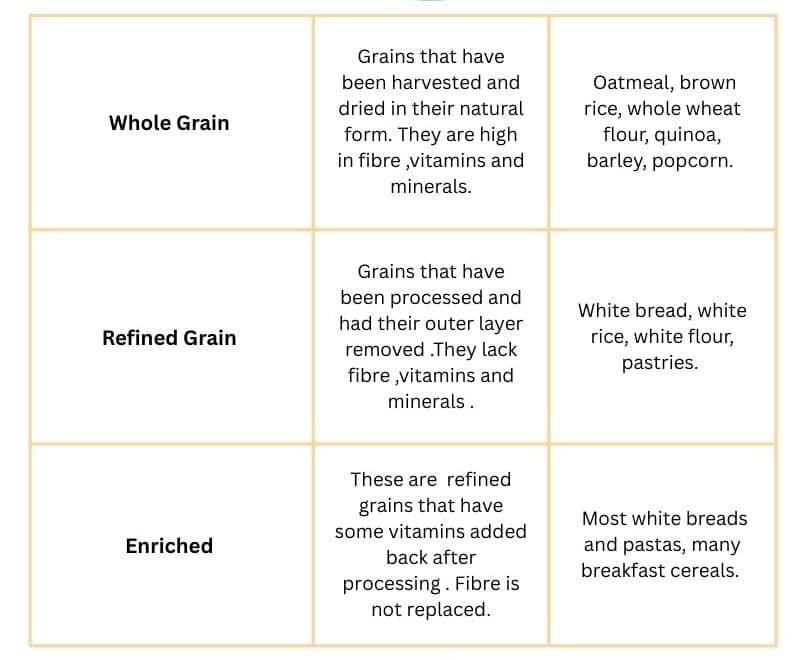
- Choose whole grains over refined or enriched products .Whole grains are high in fibre, vitamins and minerals.
- Half of your daily grain intake should come from whole grains.
- Focus on non-starchy vegetables.
- Replace sugar sweetened drinks with water.
- Eat whole fruits instead of drinking fruit juice as whole fruits contain fibre.
- Use non-nutritive sweeteners as they provide sweetness without affecting blood glucose.
Proteins
Proteins help control blood glucose by slowing down the digestion of carbohydrate preventing sudden sugar spikes .Proteins in diet increase feelings of fullness and supports muscle growth which in turn improves insulin resistance.
There are two main type of protein :plant based and animal based .
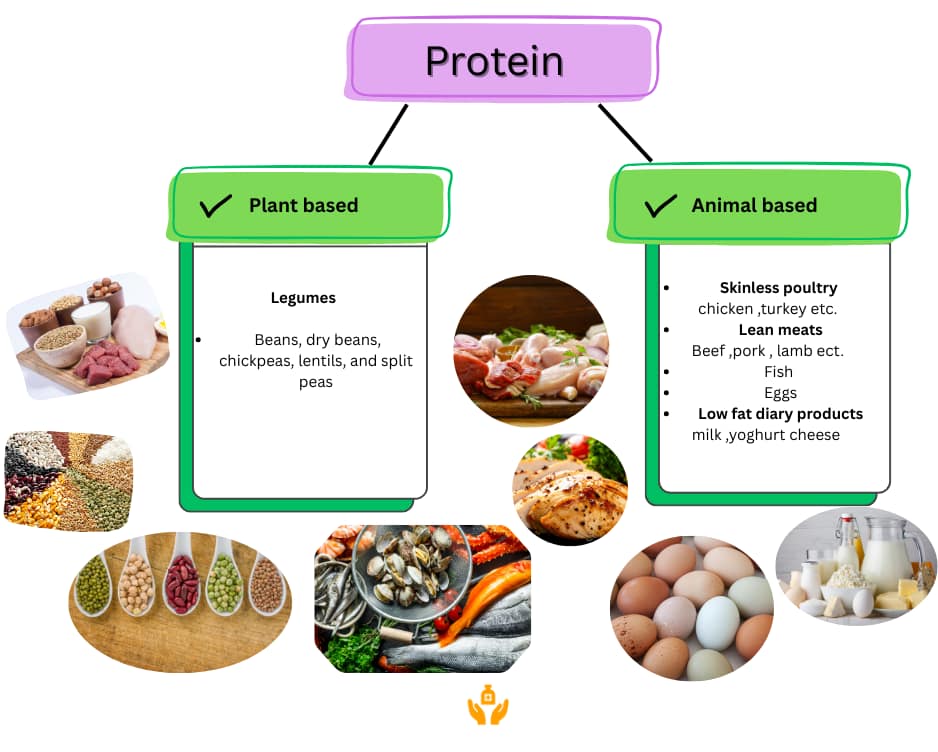
Research suggest that plant-based proteins are superior to animal-based protein.
Tips for including proteins in your diet.
- Eat proteins with your carbohydrates to minimise sugar spikes
- Eating proteins first in a meal helps manage fluctuations in blood glucose levels.
- Research suggest that having a small amount of whey protein before a meal for those with type 2 diabetes helps improve blood glucose control.
Fats
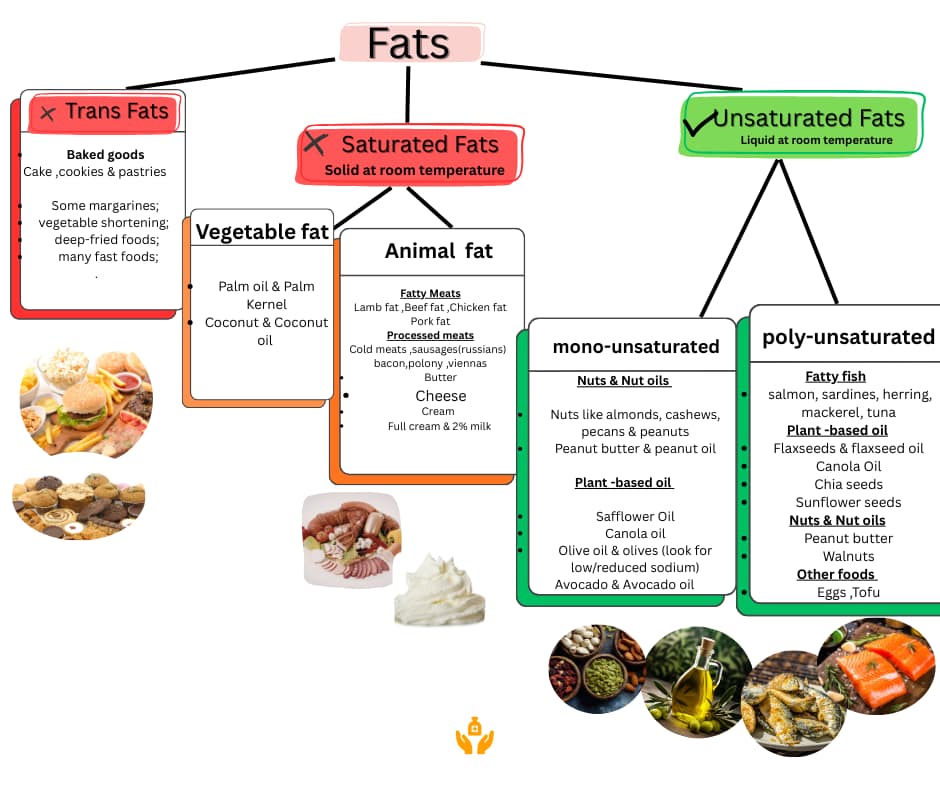
There are 3 types of fats : unsaturated ,saturated and trans fats.
Unsaturated fats are healthy fats .They remain liquid at room temperature and at low temperatures. These types of fats come mainly from fish ,plants and nuts. Unsaturated fats can be divided into 2 classes : Polyunsaturated and monounsaturated.
Polyunsaturated fats are high in omega 3 & 6. Omega 3 &6 has been linked to improved heart health .
Saturated fats on the other side are solid at room temperature and at low temperatures. Saturated fats have been shown to raise cholesterol levels (LDL), therefore increasing risk of heart disease.
Trans- fats are mainly man-made .They are created by a process called hydrogenation where liquid fats are made solid, so they last longer. They are found mainly in processed foods .
Both saturated and trans fats have been linked to increased risk of heart related complications.
Tips for including fats in your diet .
- Use liquid vegetable oils rich in mono and poly unsaturated fats when cooking .
- Limit the use of saturated fats.
- Sprinkle some nuts on salads and yoghurt .
- Keep trans-fat consumption as low as possible .
The goal of treatment in type 2 diabetes is to achieve near normal regulation of blood glucose as possible and food plays an important role in achieving this. All foods affects blood glucose levels, some more than others. Understanding how certain foods affect one’s blood glucose levels is an important part of Type 2 Diabetes management. This can be achieved my monitoring postprandial plasma glucose (PPG).
PPG measure blood glucose levels 2 hours after the completion of a meal. For majority of people living with type 2 diabetes target PPG levels is set at 10 mmol/L.
Pingback: Food and blood glucose control – Your Medication Working For You
Pingback: “Make Every Day a 4M Day: Meals, Movement, Medication , Monitoring!” – Your Medication Working For You