The body relies on glucose for its energy needs. By a process called homeostasis the body maintains a delicate balance of glucose levels in the blood. Too much glucose causes damage to cells and organs while low glucose levels leads to loss of consciousness and even death.
When a meal is consumed the carbohydrates in food are converted to glucose, glucose enters the blood stream setting off a chain of reactions. β-cells of the pancreas are activated to release insulin. The hormone insulin activates cells and organs in the body including the liver to take up this extra glucose. This reduces blood sugar levels and restores that delicate balance.
Similarly, a drop in glucose levels sets off a different type of chain reactions. This time the α-cells of the pancreas are activated to release a hormone called glucagon. Glucagon activates the liver to produce and release glucose. This glucose enters the blood stream, raising blood glucose levels and restoring that delicate balance.
In Individuals with diabetes there are disruptions in this balance mechanism, resulting in high glucose levels in the blood stream.
Fasting Blood glucose vs Post Prandial Glucose
Fasting Plasma Glucose (FPG) often referred to as fasting blood glucose measures blood sugar levels after an overnight fast. Fasting is defined as a period of 8-12 hours without food or drink. It is measured in the morning before breakfast.
Postprandial Plasma Glucose (PPG) on the other hand measures blood sugar levels 2 hours after the completion of a meal. Studies recommend that PPG should be measured preferably after breakfast.
PPG and HbA1c
Both FPG and PPG contribute to HbA1c, the gold standard in diabetes management. Their contribution to HbA1c depends on level of glucose control. During periods of poor blood sugar control FPG becomes the major contributor to HbA1c.As blood sugar control improves ,this changes and PPG becomes the major contributor. Several studies have reported a stronger link between PPG and HbA1c, suggesting that PPG plays a bigger role in reducing HbA1c.
PPG and Heart related complications
Having Diabetes increases your risk of developing heart disease. High PPG levels have been associated with increased risk of heart disease in those living with diabetes and in those not yet diagnosed with diabetes. Studies found that reducing PPG levels in individuals with prediabetes reduces risk of heart related complications.
Elevated PPG levels are associated with damage and progression of damage to blood vessels that supply oxygen to the heart. Such damage is caused by hardening of these blood vessels.
Several studies point to PPG as a better indicator for risk of heart disease than FPG and HbA1c in individuals living with diabetes. Proper management of PPG levels lowers risk of heart related complications and has been shown to produce similar benefits as taking statins in people living with Type 2 Diabetes. Statins are medications used to lower cholesterol.
Strategies for managing PPG
Controlling and managing PPG levels remains a neglected topic in diabetes management, especially in those who have lived with Type 2 Diabetes for longer. Most treatment guidelines had previously focused on FPG and HbA1c.This has changed as most now include PPG targets, alongside FPG and HbA1c targets.
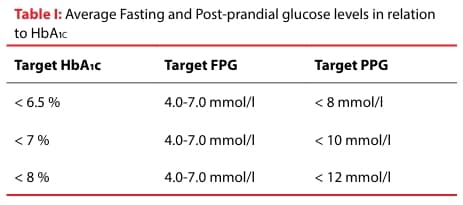
Diet, exercise and lifestyle changes remain an important part of diabetes management and have been shown to play an important role in PPG management. The use of rapid acting and premixed insulins before a meals help lower PPG levels.
Newer classes of medications including SGLT2 inhibitors, DPP-4 inhibitors and GLP-1 Agonist have all been shown to be effective in lowering PPG levels.
Pingback: Prevention of common Type 2 Diabetes complications – Your Medication Working For You
Pingback: Mastering Food Choices: The key to Type 2 Diabetes management. – Your Medication Working For You
Pingback: Food and blood glucose control – Your Medication Working For You
Pingback: “Make Every Day a 4M Day: Meals, Movement, Medication , Monitoring!” – Your Medication Working For You
Pingback: Empowered living: Mastering Self-Care for Type 2 Diabetics. – Your Medication Working For You