The goal of treatment in type 2 diabetes management is to achieve near normal blood glucose control ,thereby preventing and delaying complications ,and food plays an important role . All foods affect blood glucose levels, some more than others.
Monitoring postprandial plasma glucose can help those living with type 2 diabetes understand how certain foods affect their blood glucose levels. Postprandial plasma glucose (PPG) measures blood glucose levels 2 hours after the completion of a meal. The PPG target for majority of people living with type 2 diabetes is 10mmol/L.
Postprandial glucose is affected by type of food eaten ,quantity eaten and order in which food is eaten. When food is consumed, it is normal for blood glucose levels to go up. As tissues and organs take up glucose and store some for later use, glucose levels begin to drop and go back to normal.
Type of food
Carbohydrates have the biggest impact on blood glucose levels. Carbohydrates in food are converted to glucose; this glucose enters the blood stream raising blood glucose levels. The increase in glucose levels triggers the release of insulin which helps the body manage glucose and return levels back to normal.
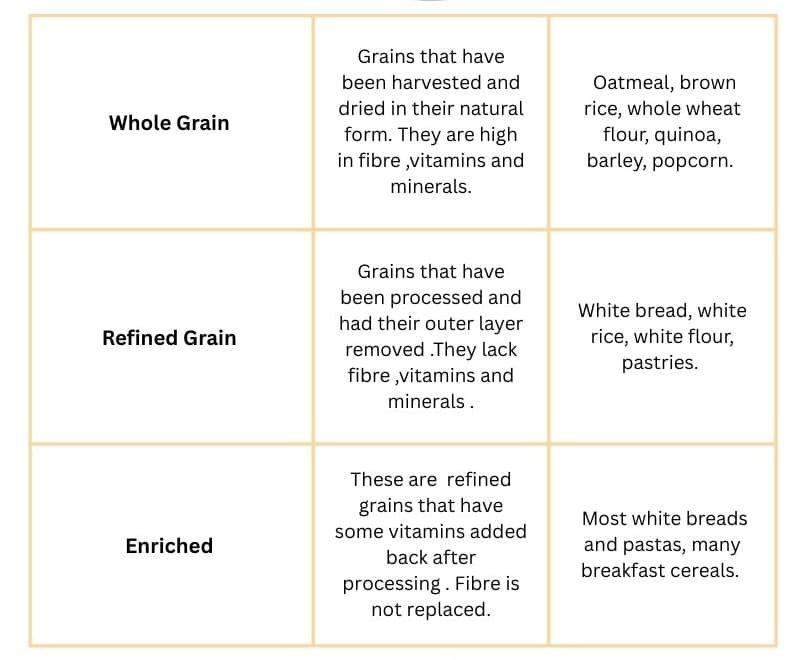
Whole grains are preferred over refined and enriched products as they are high in fibre and are absorbed slowly and do not cause sugar spikes.
Proteins and fats slow down the digestion of carbohydrates causing blood glucose levels to rise at a slower rate after a meal. Unsaturated fats are preferred over saturated and trans fats. Polyunsaturated fats are high in omega 3 and 6 and have been shown to support heart health.
Quantity
Diets low in carbohydrates positively impact blood glucose levels and promote weight loss. When following a low carbohydrate diet, the quality of your carbohydrates matters.
The World Health Organization (WHO) recommends that people living with type 2 diabetes should pay more attention to the quality of their carbohydrates, instead of solely focusing on the amount of carbohydrates they eat daily.
Food order.
Eating proteins and vegetable before carbohydrates during a meal prevents sugar spikes and improves post prandial glucose (PPG). Consuming a small amount of whey protein before meals supports better glucose control.
Why Postprandial matters
Postprandial Plasma glucose is an important value in type 2 diabetes management. A high PPG negatively affectsHbA1c and is associated with increased risk for heart related complications.
Controlling and managing PPG reduces long term damage and improves overall health. Medications exist that target PPG levels, but diet and lifestyle changes continue to play a crucial role .
Pingback: Mastering Food Choices: The key to Type 2 Diabetes management. – Your Medication Working For You