Diabetes is a condition caused by changes in how the body makes energy from food. It is identified by high levels of glucose in the blood, caused by disturbances in the production and release of insulin or changes in how the body responds to insulin or a combination of both.
Insulin is a hormone that is released by the beta cells of the pancreas whenever glucose levels in the blood stream are increased (often after a meal). Insulin works by activating the liver, muscles and fat cells to take up this extra glucose from the blood.
Types of Diabetes.
The two most common types of diabetes are Type 1 and Type 2 diabetes. Other forms of the disease do exist. Type 2 diabetes is the most common one. It is estimated that 90% of those with diabetes are Type 2 diabetics.
Type 2 Diabetes
Type 2 diabetes is caused by changes in how the body responds to insulin. To be more specific it is changes in how the liver, muscles and fat cells respond to insulin. This change in response to insulin is called insulin resistance. Overtime insulin resistance causes loss of beta cells. This loss of beta cells affect the amount insulin produced and released by the pancreas.
Insulin resistance
Imagine you have a vehicle, and you know that a full tank of fuel in your vehicle allows you to travel from point A to point B. Then one day you take your vehicle for a drive and discover that, the same full tank can no longer get you to point B . Meaning that more fuel is needed in order to cover the same distance.
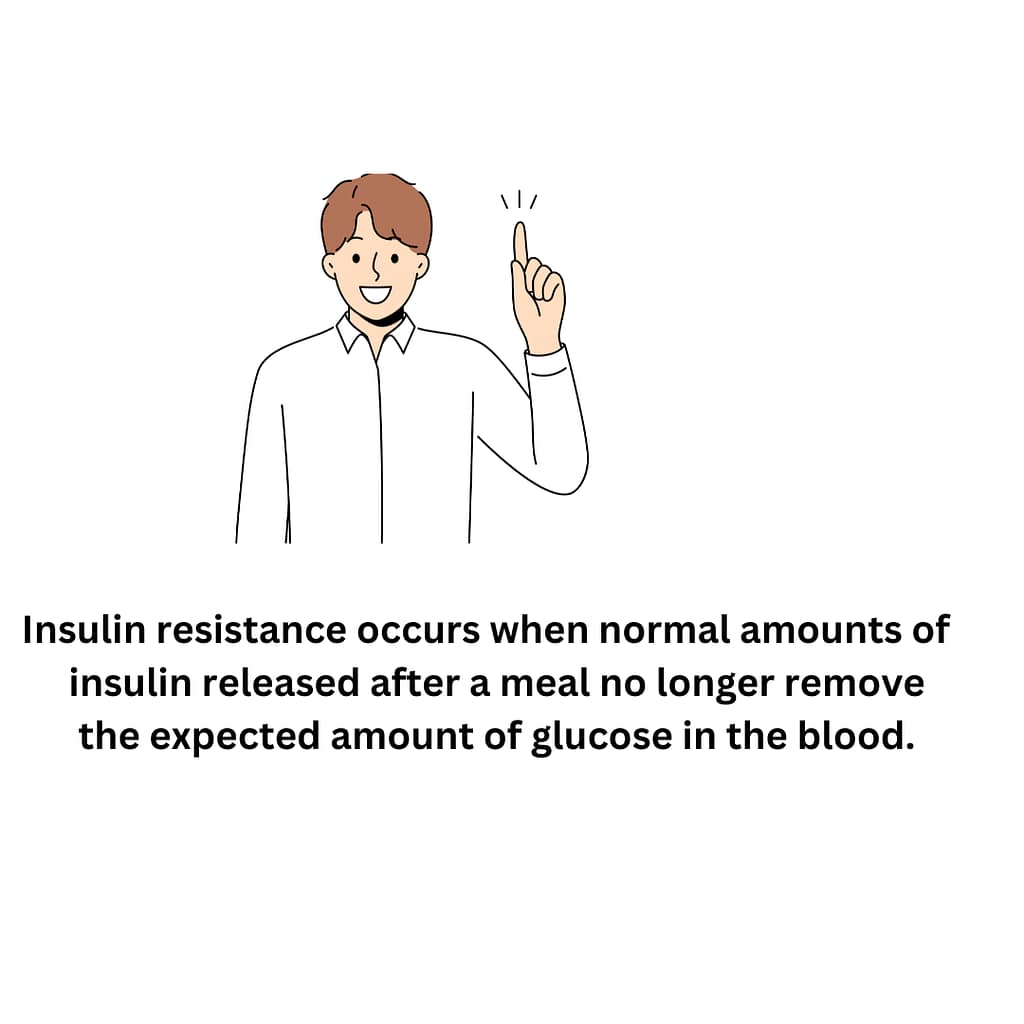
The car represents your liver, muscles and fat cells ,fuel in the car represents insulin and the distance covered represents glucose in the blood stream. In insulin resistance the liver, muscles and fat cells like the car, no longer respond to insulin the way we expect them to. Normal amounts of insulin released after a meal no longer remove the expected amount of glucose from the bloodstream. More insulin is needed, just like the car that now needs more fuel to cover the same distance.
As mentioned earlier over time this may result in the death or loss of beta cells. One explanation for how this happens is linked to a protein, that is released together with insulin by the beta cells. The protein is called Amylin. Research has shown that Amylin plays an role in beta cell death, in those with type 2 diabetes.
| Type 2 Diabetes (T2D) |
|---|
| Caused by changes in how the body responds to insulin as well as loss of beta cell.(Loss of beta cells happen overtime) |
| Usually seen in those over 40. Increases in new cases among children, teenagers and young adults are being reported. |
| Affected individuals are usually overweight or obese. |
| Requires lifestyle changes and usually treated with oral medication. Insulin may be needed later |
Type 1 Diabetes
Type 1 diabetes is caused by loss of insulin producing beta-cells in the pancreas. Death of these cells result in little to no insulin being released in the body. Without insulin the liver, muscles and fat cells, cannot be activated to remove glucose from the bloodstream. This build-up of glucose in the blood causes hyperglycaemia (high glucose levels in the blood).
| Type 1 Diabetes (T1D) |
|---|
| Results from loss of beta cells |
| Usually diagnosed in the young. Less than 30 years of age |
| Affected individuals usually have healthy body weight. |
| Insulin injections needed as soon as condition is diagnosed. |
High glucose levels in the blood, can have serious health consequences.
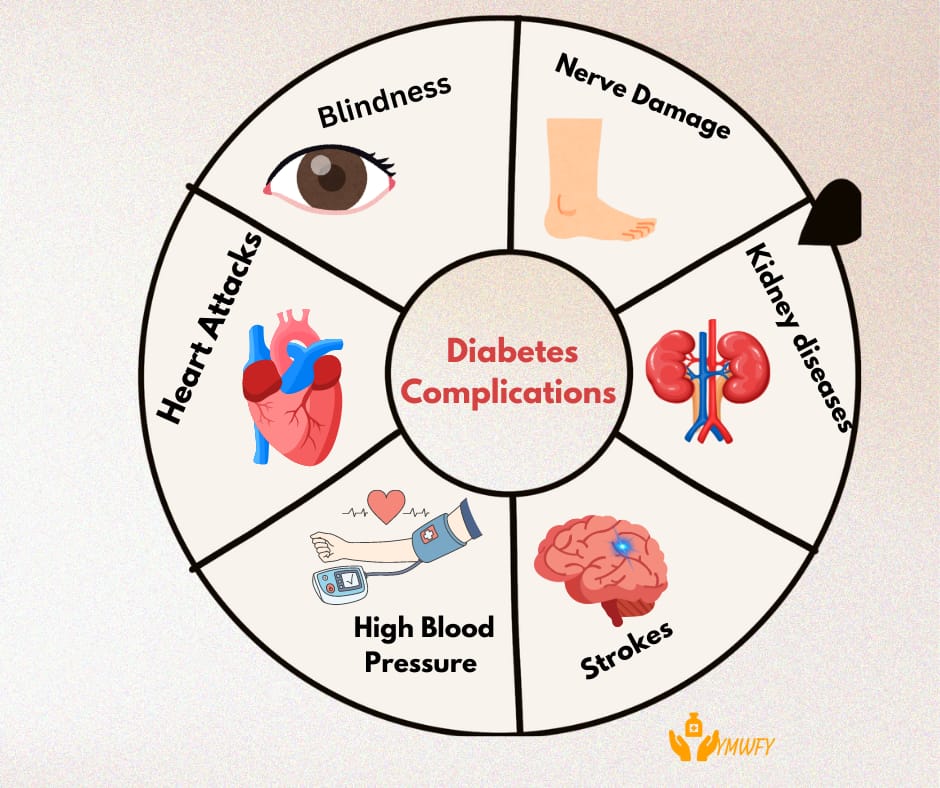
Without proper blood-glucose control, those affected are at risk of developing complications. Complication associated with diabetes include amputations (loss of limbs) ,blindness and kidney disease.
Pingback: The Story of Type 2 Diabetes: From past to present – Your Medication Working For You
Pingback: Meet the Biguanides – Your Medication Working For You
Pingback: Diabetes Ketoacidosis: What you need to know. – Your Medication Working For You
Pingback: Postprandial Blood Glucose and its effect on HbA1c and Heart Health explored. – Your Medication Working For You