Euglycemic diabetes ketoacidosis (EDKA) is an uncommon form of diabetes ketoacidosis (DKA). The use of SGLT2 inhibitors in the treatment of diabetes has brought the condition into the spotlight, as these medication have been linked to the increase in reported cases of EDKA.
EDKA is believed to be caused by decreases in the amount of glucose in blood caused by starvation or diet low in carbohydrates ,certain medical conditions and use of certain medications. Low glucose levels trigger the alpha cells of the pancreas to release glucagon. Glucagon causes the breakdown of fats, which produces ketones.
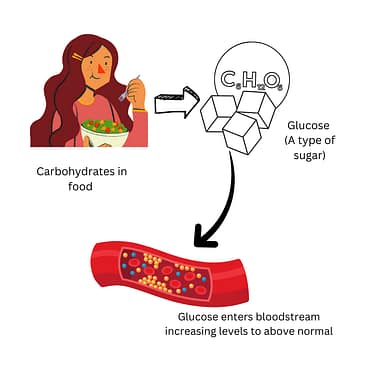
The accumulation of ketones in the blood stream, leads to an imbalance of important components of blood causing EDKA. The difference between EDKA and DKA is the level of glucose in the blood. Individual with EDKA will have blood glucose levels near normal values and high ketone levels in urine.
Signs and Symptoms of EDKA
- Nausea and vomiting
- Stomach pain and loss of appetite.
- Shortness of breath
- Feeling weak or tired
- Having fruity-scented breath
- Fainting
Onset of symptoms of EDKA are gradual when compared to those of DKA. Individuals with EDKA will not present with excessive thirst and urination as these are symptoms associated with high sugar levels in blood.
Who is at risk?
- Individuals on a low-calorie diet.
- Illness and stress increases risk of EDKA.
- Individual on SGLT2 inhibitor medications may develop EDKA .
- Certain medical conditions have also been linked to EDKA.
Tips for managing EDKA.
- Know the signs and symptoms of EDKA.
- Individual on SGLT2 inhibitors, when sick or stressed or recovering from an illness must remember to check their sugar and ketone levels.
- Seek medical attention if you have high ketone levels in your urine or you start expiriencing symptoms related to EDKA.
Pingback: SGLT2 inhibitors – Your Medication Working For You