Introduction
The human body works like a well-oiled machine, always maintaining order and balance. This process of maintaining order and balance is called homeostasis. Homeostasis depends on the body’s ability to detect changes in the body and correct them.
Background
Your body is made up of trillions of cells. They are the basic building blocks of the body. Cells have within them different structures , that carry out different functions including converting nutrients from food into energy. Cells form tissues. Tissues are group of cells that work together to perform a specific task. Tissues will form organs. Organs are structures that perform a particular function. A group of organs that perform related functions will form what is known as a system.
Cells, tissues, organs and systems involved in blood sugar control.
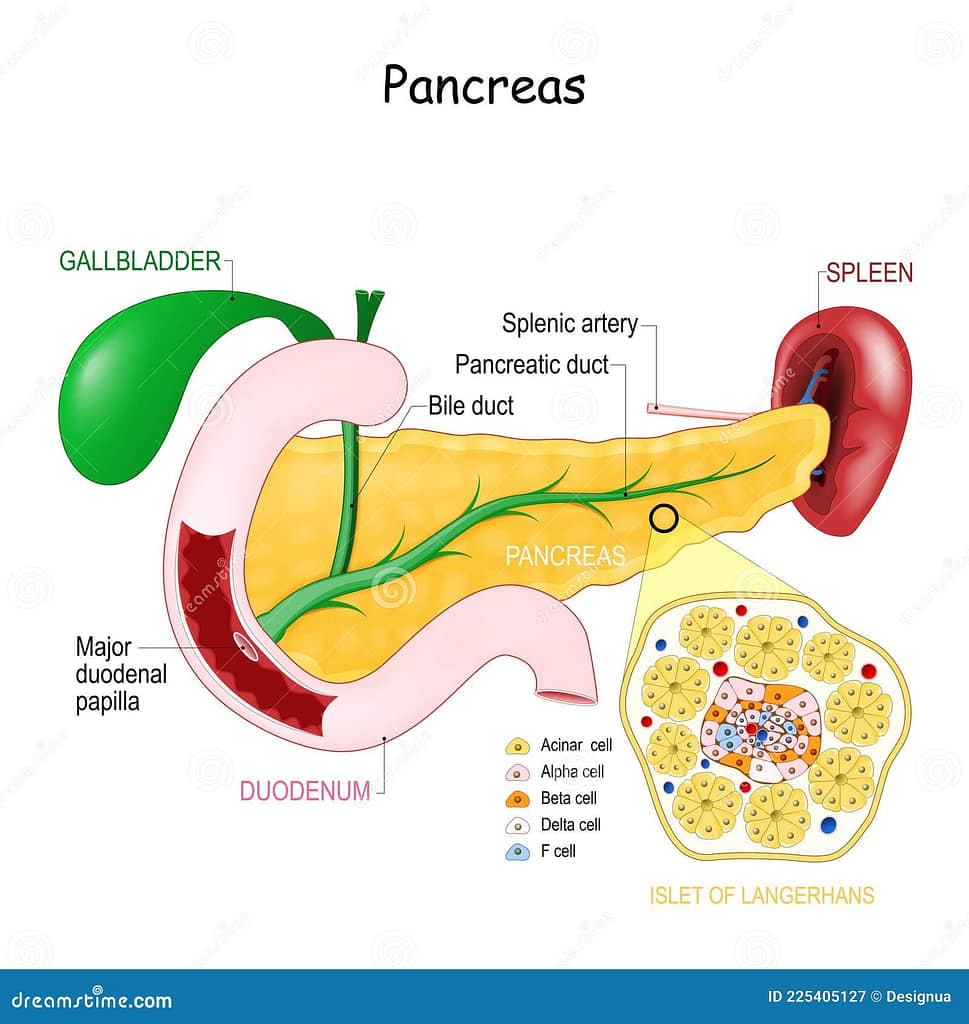
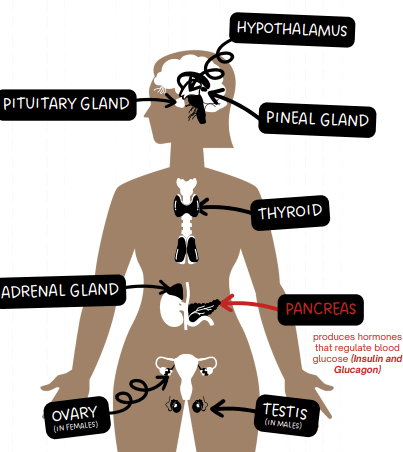
The type of cells responsible for the control of blood sugar levels in the body are the beta and alpha cells found in the pancreas. The pancreas is a gland or specialized tissue, that creates and releases chemicals known as hormones into the bloodstream. The pancreas forms part of a bigger system called the endocrine system.
The endocrine system
The endocrine system can be looked at as the control centre of the body. It provides communication in the body through the release of different hormones. The hormones will direct change in the organs to maintain balance.
Insulin and blood sugar control
When a meal is consumed, the carbohydrates in food are broken down into glucose (a type of sugar).Glucose serves as the main source of fuel for the body. This glucose then enters the bloodstream ,causing glucose levels in the blood to go up.
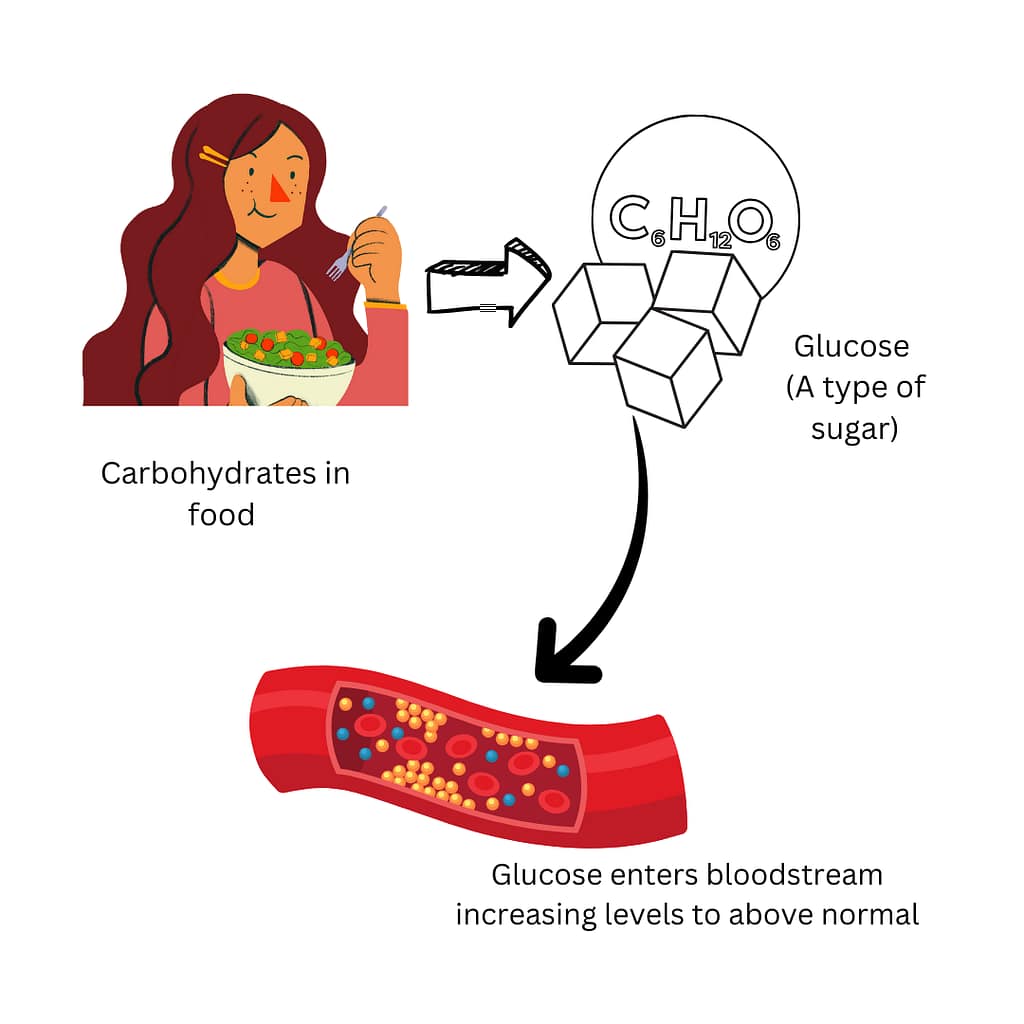
This change in the amount of glucose in the blood triggers a series of events. The beta cells in the pancreas get stimulated to release a hormone called insulin. Insulin will direct different organs in the body to start taking up this extra glucose from the blood stream to maintain balance.
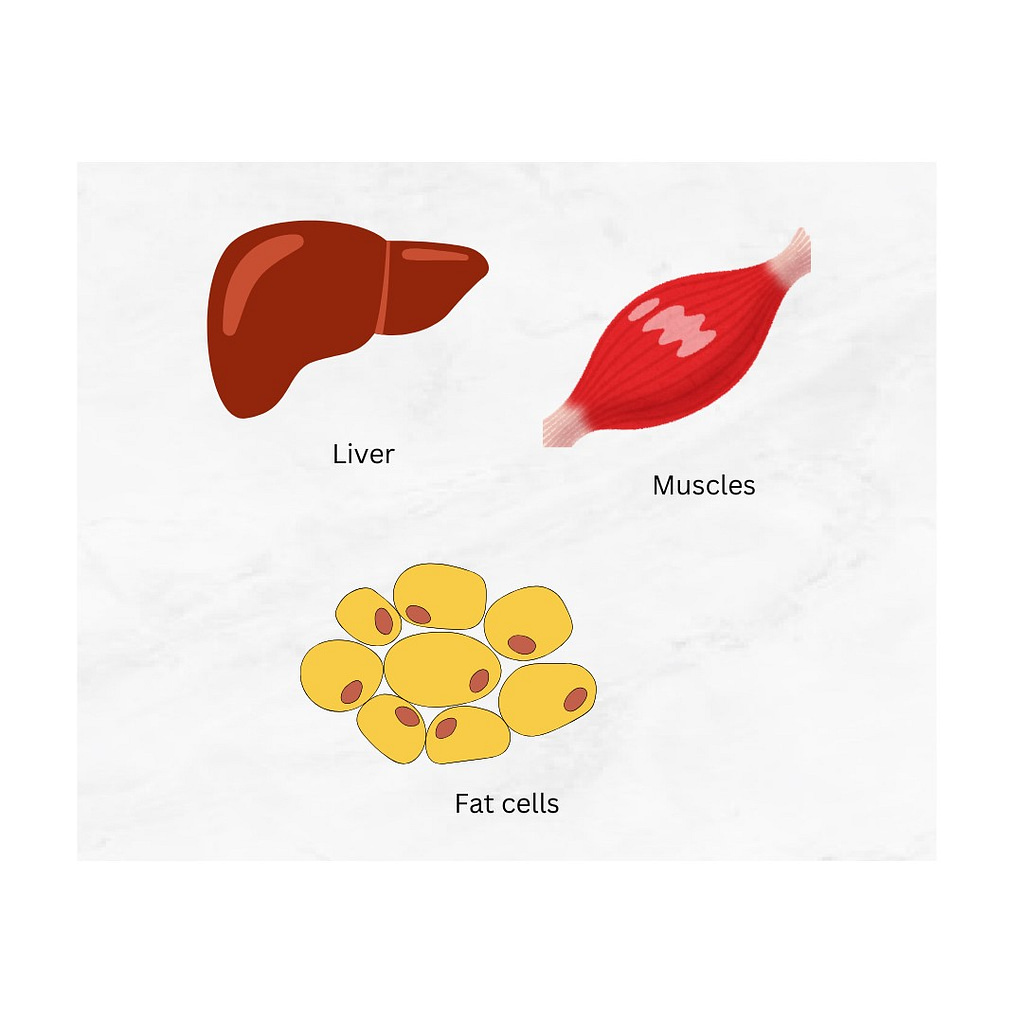
The organs and tissues involved, in the uptake of glucose from the blood stream are the liver, muscles and adipose tissues also known as fat cells. Glucose in the liver gets converted to glycogen. Glycogen is then stored by the liver. Glucose in the fat cells is converted to triglycerides a type of fat and stored.
Once blood glucose levels have been restored back to normal. The release of insulin by the beta cells will stop.
Glucagon and blood sugar control
Glucagon is another hormone that plays a vital role in blood glucose control. It is produced and released by the alpha cells in the pancreas. Glucagon is released when blood glucose levels drop below normal, during what is called the fasting state (when you are not eating).
Glucagon stimulate fat cells to break down stored triglycerides. The products of this break down are transported to the liver where they are used to make glucose. The liver will also convert stored glycogen into glucose. The glucose produced by the liver is then released into the blood stream to maintain balance.
| Insulin | Glucagon |
| Secreted when blood sugar is high (Hyperglycaemia) | Secreted when blood sugar is low (Hypoglycaemia) |
| Produced by beta cells | Produced by alpha cells |
| Causes liver, muscles and fat cells to take up glucose from blood stream | Causes liver to release glucose into the blood stream |
Other hormones that play a role in blood glucose control especially when glucose levels drops below normal include epinephrine ,Growth Hormone (GH) and cortisol.
Conclusion
The body maintains balance through a process called homeostasis. Insulin and glucagon are the two main hormones responsible for controlling and maintaining blood sugar levels.
Pingback: The Story of Type 2 Diabetes: From past to present – Your Medication Working For You
Pingback: Euglycemic diabetes ketoacidosis – Your Medication Working For You
Pingback: GLP 1 Agonists – Your Medication Working For You
Pingback: Incretins: Exploring their impact on blood sugar and beyond – Your Medication Working For You
Pingback: Postprandial Blood Glucose and its effect on HbA1c and Heart Health explored. – Your Medication Working For You